New Grad Launchpad

Course Overview

This two-day program is designed to support New Graduate dentists in upskilling to meet their ongoing professional needs. The program has been developed based on feedback from new graduates and employers and has been informed by data from professional indemnity claims made by new graduates. Covering a wide variety of clinical and non-clinical topics, this program will provide you with the tools to grow your career with confidence.


Day 1

Session 1

Title: Infection prevention and control for recent graduates: Getting the basics right (Lecture)

 Prof. Laurie Walsh AO
BDSc, PhD, DDSc, GCEd, FRACDS, FFOP(RCPA), FIADFE, FICD, FADI, FPFA


Professor Laurence Walsh AO is a specialist in special needs dentistry and an emeritus professor at UQ. Laurie has been teaching infection control and clinical microbiology for over 30 years and was chief examiner in microbiology for the RACDS for 21 years. He has served on the ADA Infection Control Committee for 26 years, including 8 years as chair, and is the editor or lead author of various ADA infection control guidelines and checklists. Laurie represents ADA on multiple committees of Standards Australia that cover personal protective equipment and instrument reprocessing, and he has served as an adviser to the Communicable Diseases Network of Australia and the Australian Commission on Safety and Quality in Health Care. Laurie was made an ADAQ Life member in 2020.

Learning Objectives:

  • Understand the IPC regulatory framework for Qld and the role of the ICMP
  • Appreciate the connection between IPC activities and practice accreditation
  • Gain insight into using the IPC Self-Assessment tool 

Session 2

Title: Practical Infection Control in Practice (Hands On)

Davina Barker, Maricel Moss, Lynne Mclean

Learning Objectives:

20 min: Hand Hygiene & PPE

  • Have a good understanding of the importance of correct hand hygiene techniques
  • Know the correct sequence and stages of donning and doffing PPE
  • Be able to perform hand hygiene correctly including hand wash and ABHR
  • Understand the processes required to retrieve additional items or touch items in the clean zones of the surgery

20 min: Sterilisation (sterile barrier system, quality assurance checks)

  • Have a good understanding of the importance of the correct reprocessing of reusable medical devices
  • Know the correct sequence of reprocessing instruments ( one-way directional flow)
  • Understand the quality checks required to ensure reusable medical devices have been reprocessed correctly
  • Be able to identify if reusable medical devices have been reprocessed correctly (checking BCI)

20 min: Environmental cleaning/Sharp Disposal

  • Have a good understanding of the importance of environmental cleaning in the dental surgery and the disposal of sharps
  • Know the correct sequence of cleaning the surgery ( least contaminated to most contaminated)
  • Understand the clean and contaminated zones of the surgery and the processes required to retrieve additional items during a procedure
  • Understand who is responsible for the disposal of sharps and how they must be handled and disposed of by Clinician

Session 3

Title:  Clinical record keeping and effective patient communication: ensuring compliance and quality care. (Lecture)

Larissa Alderton
BoralH, MHM


Larissa graduated with a Bachelor of Oral Health in Oral Health Therapy and Master of Health Management, with a focus on health care law and ethics and research. Larissa has worked in the dental profession since 2004 with experience in private practice, the University sector and the NHS in the United Kingdom. Larissa’s academic background and clinical experience puts her in an ideal position to assist ADAQ members with patient complaints, health fund audits, regulatory notification and insurance queries.

Learning Objectives:

  • Understand your regulatory obligations around clinical record keeping
  • Recognise the role in comprehensive record keeping
  • Better understand the benefit of effective communication skills with patient care
  • Managing patient complaints with effective communication
  • Case studies

Session 4

Title: Clinical Photography & Digital Record Keeping (Hands On)

Dr Albert Tran 


Graduating in 2008 from the University of Queensland, Dr Albert Tran is a fellow of the Royal Australasian College of Dental Surgeons and holds a Graduate Diploma in Implant Dentistry. He maintains a private practice in Brisbane and currently holds appointments with the Australian Dental Council and Ahpra. Albert has held teaching positions at the University of Queensland: School of Dentistry and currently mentors for both the ADA and RACDS. He has a keen interest in evidence based practice, digital privacy and electronic health tools.

Learning Objectives:

  • Learn the fundamentals of digital DSLR photography and master techniques for capturing clear accurate images
  • Recognise the benefits of clinical photography and how to integrate it into your clinical practice
  • Understand key considerations for purchasing photographic equipment and what to avoid
  • Gain hands on experience with professional photography equipment
  • Learn the importance of data security and privacy compliance in dental digital records management
  • Learn best practices for clinical documentation in the digital age and tools to improve the efficiency, accuracy and compliance of your clinical note taking.
  • Identify common issues on documentation and ensuring compliance with health fund and regulatory requirements


Day 2

Session 1

Title: Oral Surgery a difficult skill to master (Lecture)

A/ Prof Anthony Lynham
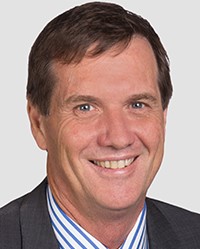
BMed (Hons) FRACDS(OMS) FRCS Ed.

Anthony completed his surgical training in Maxillofacial surgery in Queensland. A Fellowship visit to Switzerland enabled him to gain further experience in this fascinating surgical field. Dr Lynhams’ experience includes dento-alveolar surgery, dental implants, wisdom teeth, facial trauma and reconstruction, sleep apnoea surgery, orthognathic surgery, bone grafting and oro-facial pathology. He has a special interest in orbital surgery , trauma surgery and post traumatic facial reconstructive surgery.

Anthony has returned to practice after serving as a senior government minister. It was here that significant legislative reforms were implemented to lessen the incidence of trauma in our society. He now serves as clinical director at the Jamieson Trauma Institute.

Learning Objectives:

  • How to be prudent in case section
  • When to refer
  • How to increase your skills to keep surgery a vital part of your practice

Session 2

Title: Valid Consent- What is it? How do you get it? (Lecture)

Dr Tonia Girdis  


Dr Girdis has over 35 years of experience as a dentist in general practice, education and regulation. 
After graduating in 1988 from the University of Queensland with a Bachelor of Dental Science with First Class Honours she began her career as a dentist in private practice, working in Australia and England. 
She developed a special interest in health law and ethics which led her to further studies. She was awarded a Masters in Health and Medical Law from the University of Melbourne in 2005. 
Dr Girdis now works in the dental profession as a dentist, Clinical Senior Lecturer at the University of Queensland, as a Specialist Content Developer  at James Cook University, and a Clinical Advisor to the Australian Health Practitioner Regulation Agency.
This broad range of experience provides a multifaceted approach to practice and underlies her commitment to the dental profession.

Learning Objectives:

  • Understand the ethical foundations for obtaining consent
  • Understand the legal principles of obtaining valid consent
  • Understand possible outcomes for dentistry without valid consent 
  • Consider consent issues in various clinical situations including; when treating a minor, when treating an impaired adult, when treating a non-english speaking patient, when respecting specific cultural factors
  • Consider the recording of obtaining valid consent

Session 3

Title: Becoming the dentist you want to be- safely! (Lecture)

Dr Tonia Girdis

Learning Objectives:

  • Contemplate the privilege and responsibilities of joining a profession
  • Understand the concept of Scope of Practice compared with one’s individual scope of practice
  • Contemplate the approach to increasing one’s individual scope of practice safely
  • Consider this aspect of ‘safety’ with regard to public safety and personal safety

Session 4

Title: Periodontal Diagnosis and Risk Assessment – When to treat and When to Refer (Lecture)

Dr Rachel Garraway 


Rachel Garraway graduated from the University of Queensland with a Bachelor of Dental Science (Honours) in 1992. She worked in private practice in Toowoomba before returning to university to undertake specialist training in Periodontics. Rachel was awarded the Australian Periodontology Research Foundation prize for her publication on Periodontal Regeneration. In 1997 she travelled to London to accept a position in the Department of Periodontology at the Royal London Hospital.

Dr Garraway is a Lecturer at the University of Queensland Dental School, and lectures extensively on dental implants and potential complications. She is a Speaker and Fellow of the International Team for Implantology, director of the ITI Brisbane North Study Club, a past President for ANZAP (Australian and New Zealand Academy of Periodontists), a Member of the Board of Studies (Periodontics) for RACDS. and a member of the ADAQ CPD panel.

Learning Objectives:

  • Become comfortable with identifying patients who are at risk for periodontal disease 
  • Learn how to diagnose periodontal disease and how to discuss these findings with your patients
  • Be confident in assessing which cases you can treat and which cases are best referred
  • Be confident in referring your patient when needed –  and how to communicate this with your patient.

Session 5

Title: “How to take a patient medication history ….properly” (Lecture)

Dr Geraldine Moses 
BPharm DClinPharm Adv.Prac.Pharm


Dr Geraldine Moses is a Doctor of Clinical Pharmacy specialised in Medicines Information who has worked with the dental profession since the 1990’s. In addition to writing regular articles and presenting seminars, webinars and podcasts for many dental groups including the Australian and New Zealand Dental Associations, Geraldine established and provided for 11 years, the national drug advisory service for the ADA called ‘Pharma-Advice’. She has published over 30 peer- reviewed journal articles and, with two colleagues from Melbourne University, recently published The Handbook of Dental Therapeutics through Cambridge University Press. She is also a member of the expert writing group for the Therapeutic Guidelines - Oral and Dental 3rd and 4th edition. Geraldine continues to work part-time in the Medicines Information Service at the Mater Hospital in Brisbane and holds the position of Adjunct Associate Professor in the Schools of Pharmacy at the UQ, QUT and the Dental school at UWA. In 2019, Geraldine was made a Member of the Order of Australia (AM) for her service to medicine and the community as a pharmacist.

Learning Objectives:

  • Explain why a medication history includes ALL the medicines a patient takes, including non-prescription and complementary medicines
  • Recognise that a medication history includes the patient’s drug allergy and adverse reaction history
  • Identify the THREE details that should be documented for each medicine in the list
  • State the FOUR details that should be recorded for each allergy and adverse reaction listed
  • Know the importance of checking a patient’s medications with another source, such as their GP or community pharmacy

Session 6

Title: Vital Pulp Therapy Workshop (Hands On)

Dr Paul Renner  


Dr Paul Renner has over 40 years in general dentistry, including academic, general and government practice. Including over
30 years as the principal and owner of a large general practice situated in the Dalby.

For over fifteen years Dr Renner has held a part time position as a clinical demonstrator/supervisor at the UQ School of Dentistry, firstly in 4th year fixed prosthodontics and then in 5th year GDP clinics.
He has lectured at several implant training courses for Anthogyr Pty Ltd (manufacturer of Axiom implants) at their facility in Sallanches, France.
He has also run courses for various groups of dentists and their staff in dental photography and processing of dental images.
For many years Dr Renner taught the dental anatomy and infection control modules for the ADAQ certificate III in dental assisting.

 Learning Objectives:

  • Better understanding of the current science on the pulp’s response to deep caries.
  • Recognise the different appearances of a pulpal exposure
  • Recognise the appearance of vital pulp tissue.
  • Handling of and placement of tricalcium silicate cements on vital pulp.
  • Place Biodentine on an exposed pulp in an artificial tooth.


Event Pricing

ADA Member Dentists - $250
Non-Member Dentists - $700

*Option available to attend 1 day only at 50% of the registration fee. Please email [email protected]


CPD Points

15.5 Scientific hours 


By registering for this course, you agree to the events terms and conditions outlined on the ADAQ website. 

  • This event is fully booked

Event Pricing

New Grad Launchpad

This CPD event is exclusively for recent graduates. You must have graduated in 2024, 2023 or 2022 to be eligible to attend.

Course Overview

This two-day program is designed to support New Graduate dentists in upskilling to meet their ongoing professional needs. The program has been developed based on feedback from new graduates and employers and has been informed by data from professional indemnity claims made by new graduates. Covering a wide variety of clinical and non-clinical topics, this program will provide you with the tools to grow your career with confidence.


Day 1

Session 1

Title: Infection prevention and control for recent graduates: Getting the basics right (Lecture)

 Prof. Laurie Walsh AO
BDSc, PhD, DDSc, GCEd, FRACDS, FFOP(RCPA), FIADFE, FICD, FADI, FPFA


Professor Laurence Walsh AO is a specialist in special needs dentistry and an emeritus professor at UQ. Laurie has been teaching infection control and clinical microbiology for over 30 years and was chief examiner in microbiology for the RACDS for 21 years. He has served on the ADA Infection Control Committee for 26 years, including 8 years as chair, and is the editor or lead author of various ADA infection control guidelines and checklists. Laurie represents ADA on multiple committees of Standards Australia that cover personal protective equipment and instrument reprocessing, and he has served as an adviser to the Communicable Diseases Network of Australia and the Australian Commission on Safety and Quality in Health Care. Laurie was made an ADAQ Life member in 2020.

Learning Objectives:

  • Understand the IPC regulatory framework for Qld and the role of the ICMP
  • Appreciate the connection between IPC activities and practice accreditation
  • Gain insight into using the IPC Self-Assessment tool 

Session 2

Title: Practical Infection Control in Practice (Hands On)

Davina Barker, Maricel Moss, Lynne Mclean

Learning Objectives:

20 min: Hand Hygiene & PPE

  • Have a good understanding of the importance of correct hand hygiene techniques
  • Know the correct sequence and stages of donning and doffing PPE
  • Be able to perform hand hygiene correctly including hand wash and ABHR
  • Understand the processes required to retrieve additional items or touch items in the clean zones of the surgery

20 min: Sterilisation (sterile barrier system, quality assurance checks)

  • Have a good understanding of the importance of the correct reprocessing of reusable medical devices
  • Know the correct sequence of reprocessing instruments ( one-way directional flow)
  • Understand the quality checks required to ensure reusable medical devices have been reprocessed correctly
  • Be able to identify if reusable medical devices have been reprocessed correctly (checking BCI)

20 min: Environmental cleaning/Sharp Disposal

  • Have a good understanding of the importance of environmental cleaning in the dental surgery and the disposal of sharps
  • Know the correct sequence of cleaning the surgery ( least contaminated to most contaminated)
  • Understand the clean and contaminated zones of the surgery and the processes required to retrieve additional items during a procedure
  • Understand who is responsible for the disposal of sharps and how they must be handled and disposed of by Clinician

Session 3

Title:  Clinical record keeping and effective patient communication: ensuring compliance and quality care. (Lecture)

Larissa Alderton
BoralH, MHM


Larissa graduated with a Bachelor of Oral Health in Oral Health Therapy and Master of Health Management, with a focus on health care law and ethics and research. Larissa has worked in the dental profession since 2004 with experience in private practice, the University sector and the NHS in the United Kingdom. Larissa’s academic background and clinical experience puts her in an ideal position to assist ADAQ members with patient complaints, health fund audits, regulatory notification and insurance queries.

Learning Objectives:

  • Understand your regulatory obligations around clinical record keeping
  • Recognise the role in comprehensive record keeping
  • Better understand the benefit of effective communication skills with patient care
  • Managing patient complaints with effective communication
  • Case studies

Session 4

Title: Clinical Photography & Digital Record Keeping (Hands On)

Dr Albert Tran 


Graduating in 2008 from the University of Queensland, Dr Albert Tran is a fellow of the Royal Australasian College of Dental Surgeons and holds a Graduate Diploma in Implant Dentistry. He maintains a private practice in Brisbane and currently holds appointments with the Australian Dental Council and Ahpra. Albert has held teaching positions at the University of Queensland: School of Dentistry and currently mentors for both the ADA and RACDS. He has a keen interest in evidence based practice, digital privacy and electronic health tools.

Learning Objectives:

  • Learn the fundamentals of digital DSLR photography and master techniques for capturing clear accurate images
  • Recognise the benefits of clinical photography and how to integrate it into your clinical practice
  • Understand key considerations for purchasing photographic equipment and what to avoid
  • Gain hands on experience with professional photography equipment
  • Learn the importance of data security and privacy compliance in dental digital records management
  • Learn best practices for clinical documentation in the digital age and tools to improve the efficiency, accuracy and compliance of your clinical note taking.
  • Identify common issues on documentation and ensuring compliance with health fund and regulatory requirements


Day 2

Session 1

Title: Oral Surgery a difficult skill to master (Lecture)

A/ Prof Anthony Lynham

BMed (Hons) FRACDS(OMS) FRCS Ed.

Anthony completed his surgical training in Maxillofacial surgery in Queensland. A Fellowship visit to Switzerland enabled him to gain further experience in this fascinating surgical field. Dr Lynhams’ experience includes dento-alveolar surgery, dental implants, wisdom teeth, facial trauma and reconstruction, sleep apnoea surgery, orthognathic surgery, bone grafting and oro-facial pathology. He has a special interest in orbital surgery , trauma surgery and post traumatic facial reconstructive surgery.

Anthony has returned to practice after serving as a senior government minister. It was here that significant legislative reforms were implemented to lessen the incidence of trauma in our society. He now serves as clinical director at the Jamieson Trauma Institute.

Learning Objectives:

  • How to be prudent in case section
  • When to refer
  • How to increase your skills to keep surgery a vital part of your practice

Session 2

Title: Valid Consent- What is it? How do you get it? (Lecture)

Dr Tonia Girdis  


Dr Girdis has over 35 years of experience as a dentist in general practice, education and regulation. 
After graduating in 1988 from the University of Queensland with a Bachelor of Dental Science with First Class Honours she began her career as a dentist in private practice, working in Australia and England. 
She developed a special interest in health law and ethics which led her to further studies. She was awarded a Masters in Health and Medical Law from the University of Melbourne in 2005. 
Dr Girdis now works in the dental profession as a dentist, Clinical Senior Lecturer at the University of Queensland, as a Specialist Content Developer  at James Cook University, and a Clinical Advisor to the Australian Health Practitioner Regulation Agency.
This broad range of experience provides a multifaceted approach to practice and underlies her commitment to the dental profession.

Learning Objectives:

  • Understand the ethical foundations for obtaining consent
  • Understand the legal principles of obtaining valid consent
  • Understand possible outcomes for dentistry without valid consent 
  • Consider consent issues in various clinical situations including; when treating a minor, when treating an impaired adult, when treating a non-english speaking patient, when respecting specific cultural factors
  • Consider the recording of obtaining valid consent

Session 3

Title: Becoming the dentist you want to be- safely! (Lecture)

Dr Tonia Girdis

Learning Objectives:

  • Contemplate the privilege and responsibilities of joining a profession
  • Understand the concept of Scope of Practice compared with one’s individual scope of practice
  • Contemplate the approach to increasing one’s individual scope of practice safely
  • Consider this aspect of ‘safety’ with regard to public safety and personal safety

Session 4

Title: Periodontal Diagnosis and Risk Assessment – When to treat and When to Refer (Lecture)

Dr Rachel Garraway 


Rachel Garraway graduated from the University of Queensland with a Bachelor of Dental Science (Honours) in 1992. She worked in private practice in Toowoomba before returning to university to undertake specialist training in Periodontics. Rachel was awarded the Australian Periodontology Research Foundation prize for her publication on Periodontal Regeneration. In 1997 she travelled to London to accept a position in the Department of Periodontology at the Royal London Hospital.

Dr Garraway is a Lecturer at the University of Queensland Dental School, and lectures extensively on dental implants and potential complications. She is a Speaker and Fellow of the International Team for Implantology, director of the ITI Brisbane North Study Club, a past President for ANZAP (Australian and New Zealand Academy of Periodontists), a Member of the Board of Studies (Periodontics) for RACDS. and a member of the ADAQ CPD panel.

Learning Objectives:

  • Become comfortable with identifying patients who are at risk for periodontal disease 
  • Learn how to diagnose periodontal disease and how to discuss these findings with your patients
  • Be confident in assessing which cases you can treat and which cases are best referred
  • Be confident in referring your patient when needed –  and how to communicate this with your patient.

Session 5

Title: “How to take a patient medication history ….properly” (Lecture)

Dr Geraldine Moses 
BPharm DClinPharm Adv.Prac.Pharm


Dr Geraldine Moses is a Doctor of Clinical Pharmacy specialised in Medicines Information who has worked with the dental profession since the 1990’s. In addition to writing regular articles and presenting seminars, webinars and podcasts for many dental groups including the Australian and New Zealand Dental Associations, Geraldine established and provided for 11 years, the national drug advisory service for the ADA called ‘Pharma-Advice’. She has published over 30 peer- reviewed journal articles and, with two colleagues from Melbourne University, recently published The Handbook of Dental Therapeutics through Cambridge University Press. She is also a member of the expert writing group for the Therapeutic Guidelines - Oral and Dental 3rd and 4th edition. Geraldine continues to work part-time in the Medicines Information Service at the Mater Hospital in Brisbane and holds the position of Adjunct Associate Professor in the Schools of Pharmacy at the UQ, QUT and the Dental school at UWA. In 2019, Geraldine was made a Member of the Order of Australia (AM) for her service to medicine and the community as a pharmacist.

Learning Objectives:

  • Explain why a medication history includes ALL the medicines a patient takes, including non-prescription and complementary medicines
  • Recognise that a medication history includes the patient’s drug allergy and adverse reaction history
  • Identify the THREE details that should be documented for each medicine in the list
  • State the FOUR details that should be recorded for each allergy and adverse reaction listed
  • Know the importance of checking a patient’s medications with another source, such as their GP or community pharmacy

Session 6

Title: Vital Pulp Therapy Workshop (Hands On)

Dr Paul Renner  


Dr Paul Renner has over 40 years in general dentistry, including academic, general and government practice. Including over
30 years as the principal and owner of a large general practice situated in the Dalby.

For over fifteen years Dr Renner has held a part time position as a clinical demonstrator/supervisor at the UQ School of Dentistry, firstly in 4th year fixed prosthodontics and then in 5th year GDP clinics.
He has lectured at several implant training courses for Anthogyr Pty Ltd (manufacturer of Axiom implants) at their facility in Sallanches, France.
He has also run courses for various groups of dentists and their staff in dental photography and processing of dental images.
For many years Dr Renner taught the dental anatomy and infection control modules for the ADAQ certificate III in dental assisting.

 Learning Objectives:

  • Better understanding of the current science on the pulp’s response to deep caries.
  • Recognise the different appearances of a pulpal exposure
  • Recognise the appearance of vital pulp tissue.
  • Handling of and placement of tricalcium silicate cements on vital pulp.
  • Place Biodentine on an exposed pulp in an artificial tooth.


Event Pricing

ADA Member Dentists - $250
Non-Member Dentists - $700

*Option available to attend 1 day only at 50% of the registration fee. Please email [email protected]


CPD Points

15.5 Scientific hours 


By registering for this course, you agree to the events terms and conditions outlined on the ADAQ website. 

When
6/13/2025 8:30 AM - 6/14/2025 5:30 PM
E. Australia Standard Time
Where
ADAQ CPD and Training Centre 28 Hamilton Place Bowen Hills, QLD 4006 AUSTRALIA
Registration
Online registrations for this event have now closed. Please email [email protected].