Forwards and backwards – a Queensland fluoridation history
ADAQ has a long history of actively advocating in favour of public water fluoridation, always a highly politicised topic in Queensland (see for example: HF Akers and MA Foley, Fluoridation advocacy in Queensland: a long and winding road, IDJ. 2012;61:262-269).
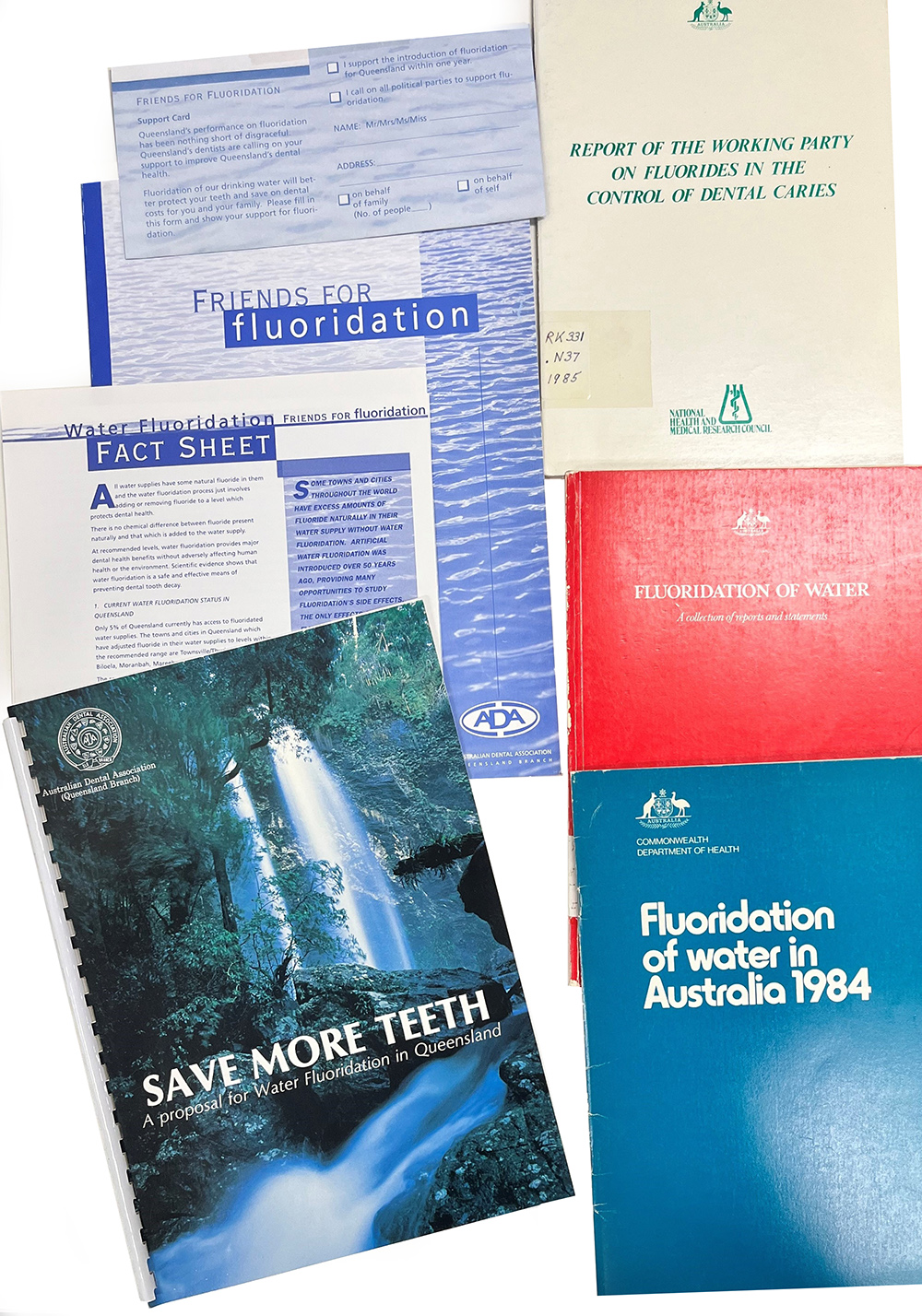
Since the 1970s, Townsville teeth shone brightly in epidemiology studies. The 1994 ADAQ campaign ‘Save More Teeth’ for Southeast Queensland was very energetic and community polling at the time showed high support for fluoridation. However, the Lord Mayor’s Taskforce on Fluoridation ensured Brisbane would remain the only unfluoridated major city in Australia for a little longer.
It’s almost two decades since the Forster Report (Queensland Health Systems Review, 2005) recommended Queensland review its fluoridation policies to halt the decline in the oral health standards of Queenslanders, the worst in the nation at the time. Only about 5% of Queensland was optimally fluoridated at the time.
ADAQ’s 2006 campaign rode the support wave of Bligh’s Labor government for fluoridation, which ‘ended 50 years of fluoridation-related impasse in Queensland' (Akers & Foley 2012) leading to the first Water Fluoridation Act 2008. The dental profession’s efforts to stamp out unscientific and dangerous counter-arguments seemed to have finally paid off. Many ADAQ spokespersons endured a heavy personal toll, being, targeted by smear campaigns and violent threats, but managed to get the state government to listen to the right voices.
Right: Photo of fluoridation reports and leaflets. [ADAQ archives]
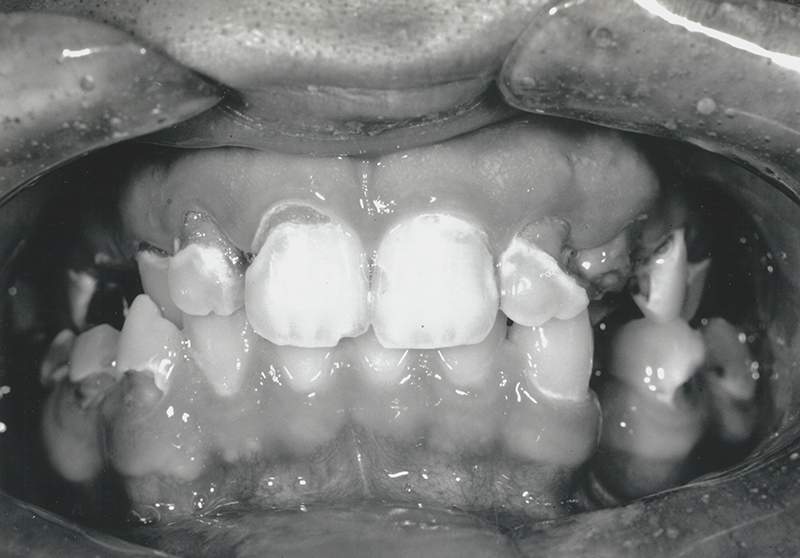
Below: Photo of 4-year-old child’s mouth with caries from ADAQ’s Save More Teeth – A proposal for Water Fluoridation in Queensland booklet, [ADAQ, 1988].
It was however a short-lived gain for the many communities who stood to benefit from mandatory public fluoridation. Inexplicably, in 2012 Campbell Newman’s LNP government returned the decision power on this important public health measure to local councils.
Since then, many councils have remained unfluoridated, or stopped fluoridation, citing increasing maintenance and staffing costs.
This is terrible news for communities who miss out on this essential public health measure. Optimally fluoridated water is safe, helps everyone, young and old, have stronger teeth, and saves communities money in public health costs. Public water fluoridation needs to be mandated where practicable, and supported where it is not.
For more refreshing fluoride truths, read ADAQ’s Forty FAQs on Fluoridation
Learn more about the benefits of fluoride: : Fluoride | teeth.org.au